Multi-Color Corporation (MCC) has partnered with Polytag, to incorporate UV tag technology into in-mould labelled (IML) packaging, providing valuable data that can offset Extended Producer Responsibility (EPR) fees.
Polytag’s UV tag acts as an invisible digital fingerprint that is readable by specialised detection units installed at material recovery facilities. Unlike visual identification systems, UV tags can carry detailed packaging-specific data that cannot be determined from an image alone, such as material composition, recycled content, manufacturing content and material origin. This enables packaging to be identified and sorted based on attributes that are critical to recycling outcomes, helping create higher-quality recycled material streams.
This data is fed back to brands through the Polytag platform, providing valuable recycling data that can help offset EPR fees, while also informing packaging design and on-pack information to increase recyclability. The technology has already been deployed on milk bottles for brands and retailers including Waitrose and Ocado. Through the collaboration with MCC Global IML, Polytag is enabling this technology to scale, supporting the end goal to make every material traceable, regardless of its packaging type, and further enabling the circular economy.
Nico Van de Walle, senior product and circularity manager at MCC Global IML, said: “The packaging industry is entering a period of transformation as brands prepare for greater product transparency and the wider adoption of connected packaging technologies. By combining MCC’s expertise in IML with Polytag’s technology, we’re helping bring connected packaging to more products and more consumers.”
The collaboration extends packaging traceability capabilities to a broader range of packaging applications, including products where traditional labels may not be suitable or durable enough, such as frozen foods and other demanding retail environments.
Jon Anderson, chief technology officer at Polytag, said: “For connected packaging to deliver real value, it needs to work across as many packaging formats as possible. Extending our technology into IML packaging is an important step forward. It allows brands to gain deeper insight into what happens to packaging after use, as well as gathering data to support better recycling and circularity goals.”
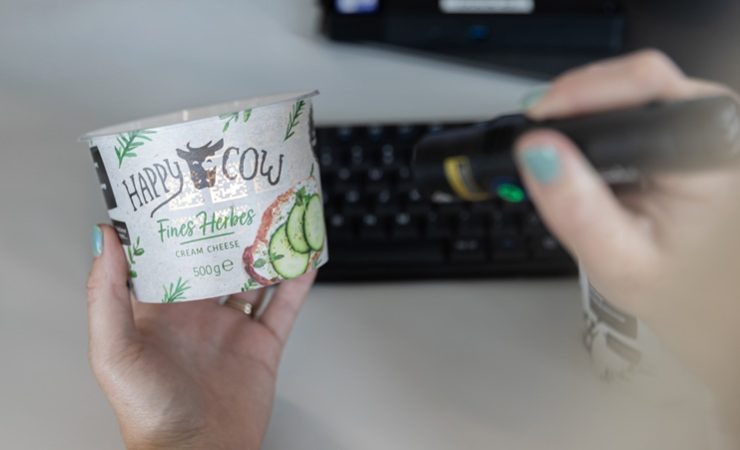
The two companies have previously collaborated to roll out Polytag technology to the Happy Cow’s faux brand tub packaging, in support of a recent demonstration day organised by standardised barcode experts, GS1 and optical sortation company, Pellenc ST. This demonstrated how connected packaging and advanced sorting technologies can work together to improve material recovery and traceability for IML packaging types.