Polish packaging producer Drukarnia Tamir is transferring more than 3600 print jobs from its offset presses to a Koenig & Bauer Durst VariJET 106 digital press, freeing capacity across its existing offset production lines.
The move is intended to improve production efficiency by shifting short and medium print runs, which can require significant setup time on conventional offset equipment, to digital production.
Tamir operates nine offset presses, and the introduction of the VariJET 106 allows the company to allocate these machines to longer runs while handling shorter jobs digitally. According to Koenig & Bauer, the change is expected to release thousands of hours of setup time annually, deliver six-figure annual cost savings and reduce material waste and associated CO2 emissions.
Michał Krywulec, president of the management board at Tamir, said the investment was intended to complement the company’s existing offset capacity rather than replace it.
A key requirement was that the digital press could operate within Tamir’s existing production workflow and print on the same carton substrates used by its offset machines. This allows jobs to be allocated between the two technologies according to production requirements.
Koenig & Bauer Durst managing director Daniel Velema said the VariJET 106 was designed to take on work that conventional offset presses were not configured to handle as efficiently.
Maik Laubin, vice-president sales, digital printing solutions at Koenig & Bauer, said the economics of digital production were particularly favourable for shorter runs. The company estimates that digital printing can be more cost-effective than offset for jobs of up to 5000 sheets, depending on factors including volumes, plate and ink costs, storage and energy consumption.
At Tamir, transferring more than 3600 jobs to digital is expected to release capacity for millions of additional sheets to be printed on the company’s offset equipment. Reduced makeready requirements are also expected to lower production costs and waste.
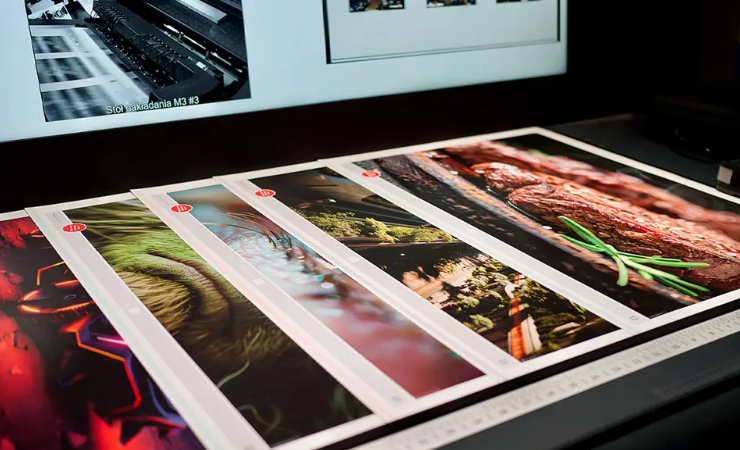
The VariJET 106 uses water-based inks that comply with European migration and safety requirements for food-contact materials. Its CMYK plus orange, green and violet (OGV) colour configuration provides an expanded gamut designed to reproduce a wide range of Pantone spot colours.
According to Tamir, print quality is now comparable with offset on several applications, with some brands specifically requesting that their packaging is produced using the digital press.
The investment also provides scope for further automation and workflow development. Tamir is considering establishing its first webshop, using integrated workflow capabilities to manage cost estimation and the processing of hundreds of jobs each week.
The installation reflects a growing role for digital printing within packaging production, particularly where frequent job changes, shorter runs and setup costs can make conventional offset production less efficient. Rather than replacing offset, Tamir’s approach uses digital capacity to improve the utilisation of its existing pressroom.