BakPac has installed its seventh pouchmaking machine at its UK production facility, increasing its capacity to handle both high-volume output and complex, multi-job production requirements.
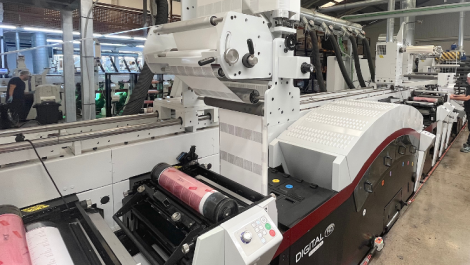
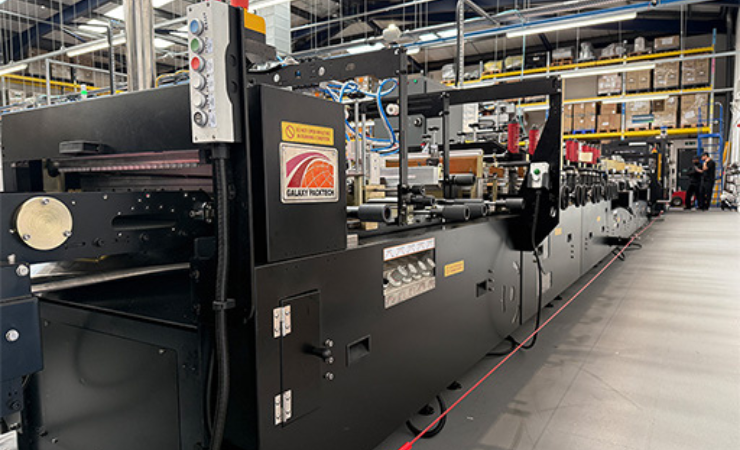
The installation is part of a broader optimisation programme. The company now operates five Galaxy pouchmakers alongside two HP Indigo 200K digital presses, following the gradual removal of older equipment.
The latest addition replaces BakPac’s original Galaxy pouchmaker installed in September 2023 and brings all pouch converting equipment to a consistent technical standard. This alignment allows any machine to run any job, reducing previous production limitations and improving operational flexibility.
Production supervisor Harvey Dailly said the upgrade enables greater efficiency in planning and delivery, noting that standardising the machinery allows jobs to be allocated more freely across the production line.
The company reports that the benefits of this approach are already evident. In the first three months of 2026, BakPac produced more than 12 million pouches across over 500 separate jobs, reflecting its ability to combine large-scale output with varied production demands.
Production runs range from small batches of around 500 units to larger volumes, enabling the company to support a range of customers, including co-packers handling multiple product lines, brands with diverse portfolios, and businesses requiring rapid turnaround times.
According to Harry Baker from BakPac’s sales and operations team, the investment is intended to address industry expectations that often frame scale and flexibility as competing priorities. He said the company’s model is designed to integrate both, pointing to recent production figures as evidence of this capability.
BakPac’s production system is structured to meet current supply chain demands, where shorter runs, faster delivery, and increased product variation are becoming more common. By aligning its pouch converting equipment and incorporating digital print technology, the company aims to manage high levels of job complexity without reducing efficiency.