The European Printing Ink Association says it is closely monitoring the disruption to shipping flows through the Strait of Hormuz, and the consequences for global energy markets, raw material availability, and logistics for the printing ink sector across Europe, as the conflict in the Middle East continues to escalate.
Two ink suppliers – hubergroup and Sun Chemical – have already announced price increases.
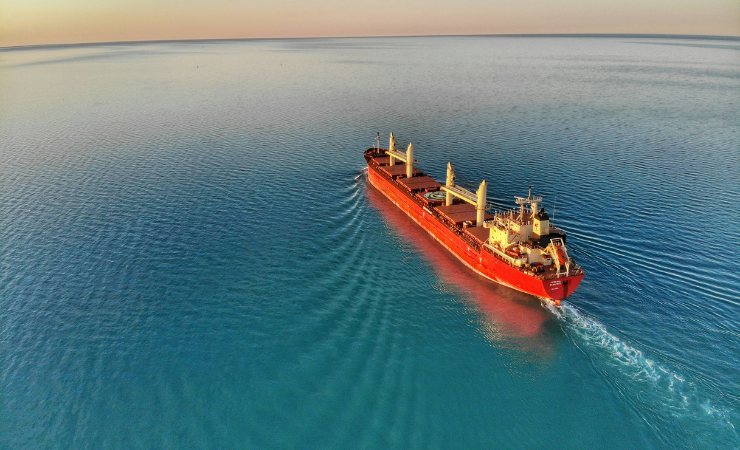
Rerouting shipping via the Cape of Good Hope is extending transit times for chemical feedstocks and raw materials relevant to ink manufacturing by approximately 10-14 days, while war-risk insurance premiums and freight rates have risen sharply, with further increases anticipated. Air freight is also affected, as disruptions to regional airspace and logistics hubs are altering transport flows and adding to costs.
Costs for core inputs to printing ink formulations such as solvents, binders, resins and additives are all being affected by Brent crude prices rising above $100 per barrel, while utility demands in production processes may see gradual pressure as regional tensions affect gas and electricity-linked expenses, according to EuPIA.
The association said it is “monitoring developments closely while prioritising resilient sourcing and innovation in sustainable materials” and is in communication with partner associations where possible.
Cornelia Tietz, EuPIA director, commented: “EuPIA is in active dialogue with its members and partner associations to track the evolving impact of this situation on our sector. We are committed to keeping members informed and to advocating for the conditions that support supply security for European printing ink producers.”
Sun Chemical has confirmed price increases and surcharges across all product divisions, citing “ongoing geopolitical developments in the Middle East, notably the situation involving Iran, which are significantly impacting global energy markets, logistics routes, and chemical feedstock availability.”
Meanwhile, hubergroup said it was implementing “necessary price adjustments across its global product portfolio” as a direct result of “significant supply chain and energy market disruptions triggered by the ongoing conflict in the Middle East.”
It said it has “worked intensively to mitigate the impact of these disruptions” through long term supplier partnerships, internal efficiency programs, and strategic inventory management. However, Premal Desai, CEO, hubergroup added: “The scale and persistence of the current cost pressures make price adjustments unavoidable. These measures are essential to ensure continuity of supply and to maintain the high quality and reliability our customers expect.”